A new generation transport system that will be integrated with existing systems
Overview
Project Summary
16.8 m diameter tunnel
It has the capacity to carry 1.2 million metro passengers per day
An award winning design: Cendere Viaduct
Services
Location
Period
Employer/Client
Research revealed that the capacity of existing transport systems of Istanbul will be unable to meet passenger demand in 2040 for crossing the Istanbul Strait. A structurally deeper new generation transport system that can integrate with existing systems was required.
To meet this need, the concept of an integral 3-deck Great Istanbul Tunnel was considered. The studies under the project used new technical, aesthetic and technological design approaches.
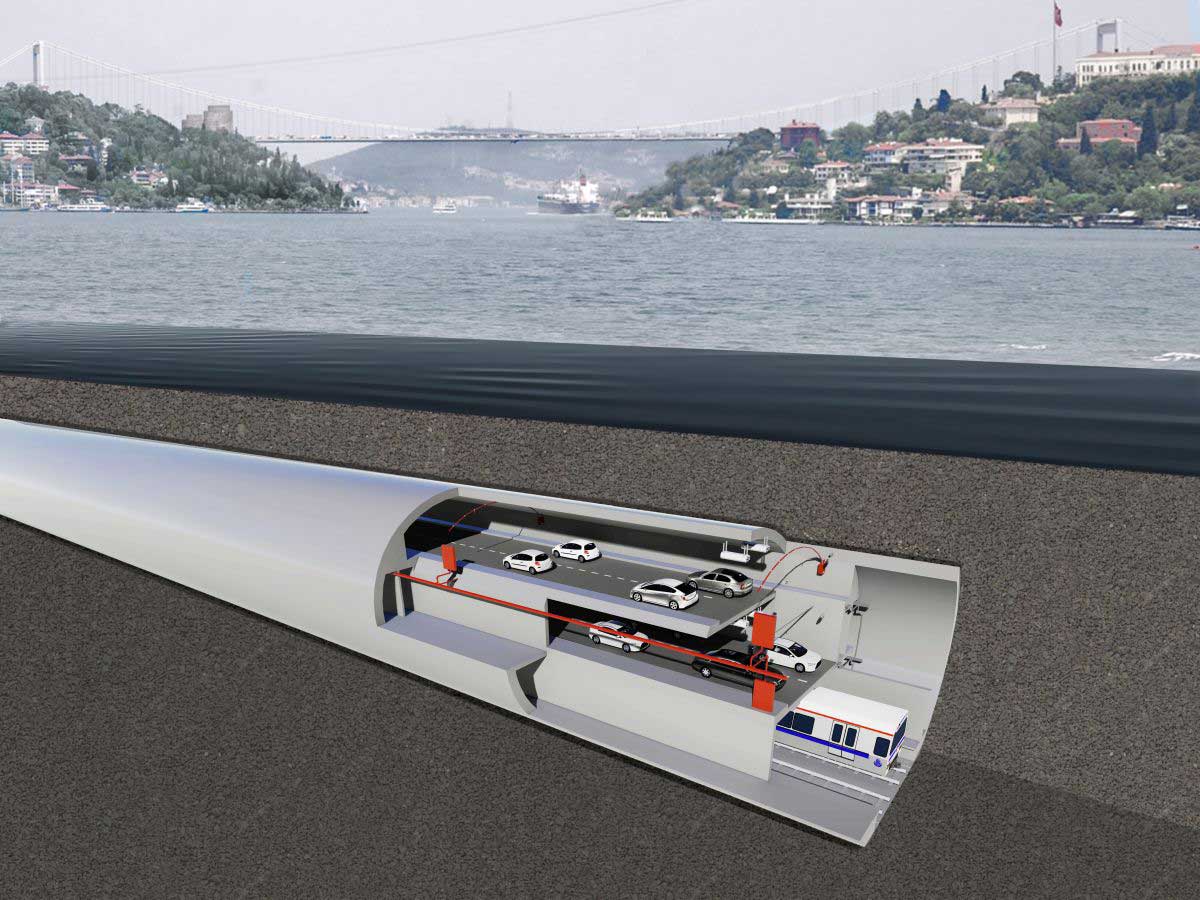
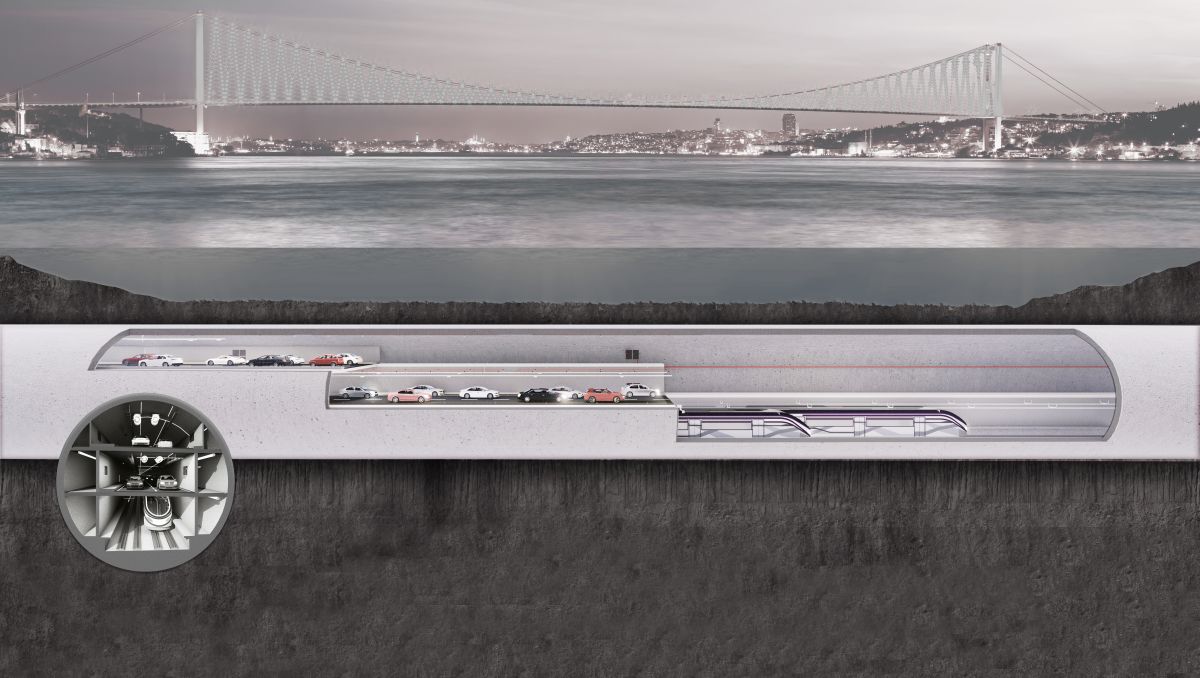
The main objective was to connect the two sides of Istanbul with a highway crossing, integrate it with the urban rail systems and to bring together a highway and metro crossing in a single project. The giant tunnel that crosses under the Istanbul Strait is 4.5 km long and has a diameter of 16.8m. It accommodates a 2x2 lane highway and a double-line metro system. This urban rail system will be integrated with other public transport lines and highways.
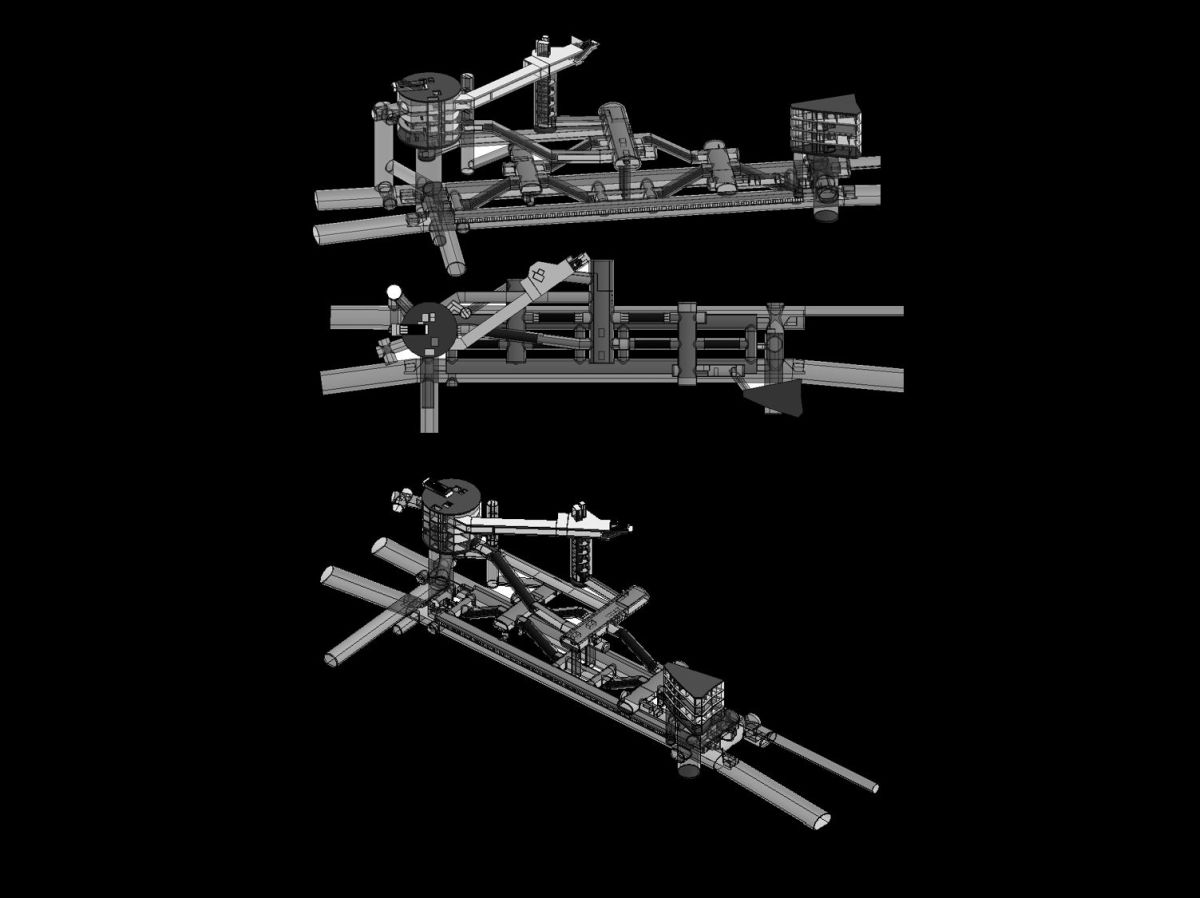
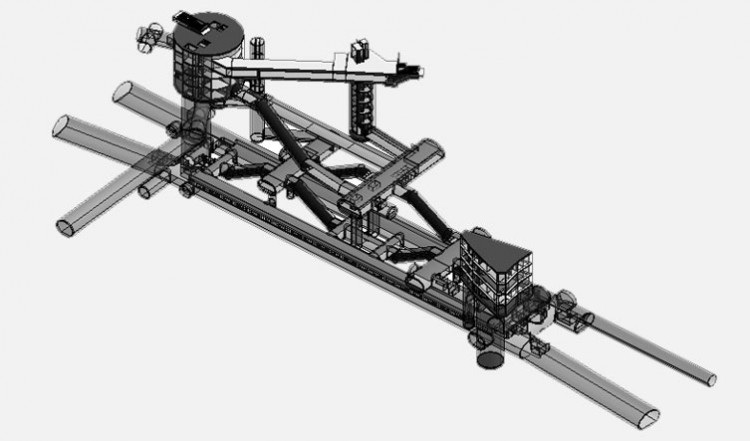
The project involves a 31 km long metro line with 14 stations and a 16.5 km long highway. The station of the metro line will be located on the 350 m long Golden Horn crossing and will be constructed under water by immersed tube method.
Upon completion of the project the highway journey between Hasdal junction on the European side and Çamlık junction on the Asian side will take 14 minutes, and the metro journey from Incirli to Söğütlüçeşme 45 minutes. It is expected that 1.2 million passengers will benefit from the line daily.
Research revealed that the capacity of existing transport systems of Istanbul will be unable to meet passenger demand in 2040 for crossing the Istanbul Strait. A structurally deeper new generation transport system that can integrate with existing systems was required.
To meet this need, the concept of an integral 3-deck Great Istanbul Tunnel was considered. The studies under the project used new technical, aesthetic and technological design approaches.
The main objective was to connect the two sides of Istanbul with a highway crossing, integrate it with the urban rail systems and to bring together a highway and metro crossing in a single project. The giant tunnel that crosses under the Istanbul Strait is 4.5 km long and has a diameter of 16.8m. It accommodates a 2x2 lane highway and a double-line metro system. This urban rail system will be integrated with other public transport lines and highways.
The project involves a 31 km long metro line with 14 stations and a 16.5 km long highway. The station of the metro line will be located on the 350 m long Golden Horn crossing and will be constructed under water by immersed tube method.
Upon completion of the project the highway journey between Hasdal junction on the European side and Çamlık junction on the Asian side will take 14 minutes, and the metro journey from Incirli to Söğütlüçeşme 45 minutes. It is expected that 1.2 million passengers will benefit from the line daily.
It is expected that 1.2 million passengers will benefit from the line daily.
Drilling Work
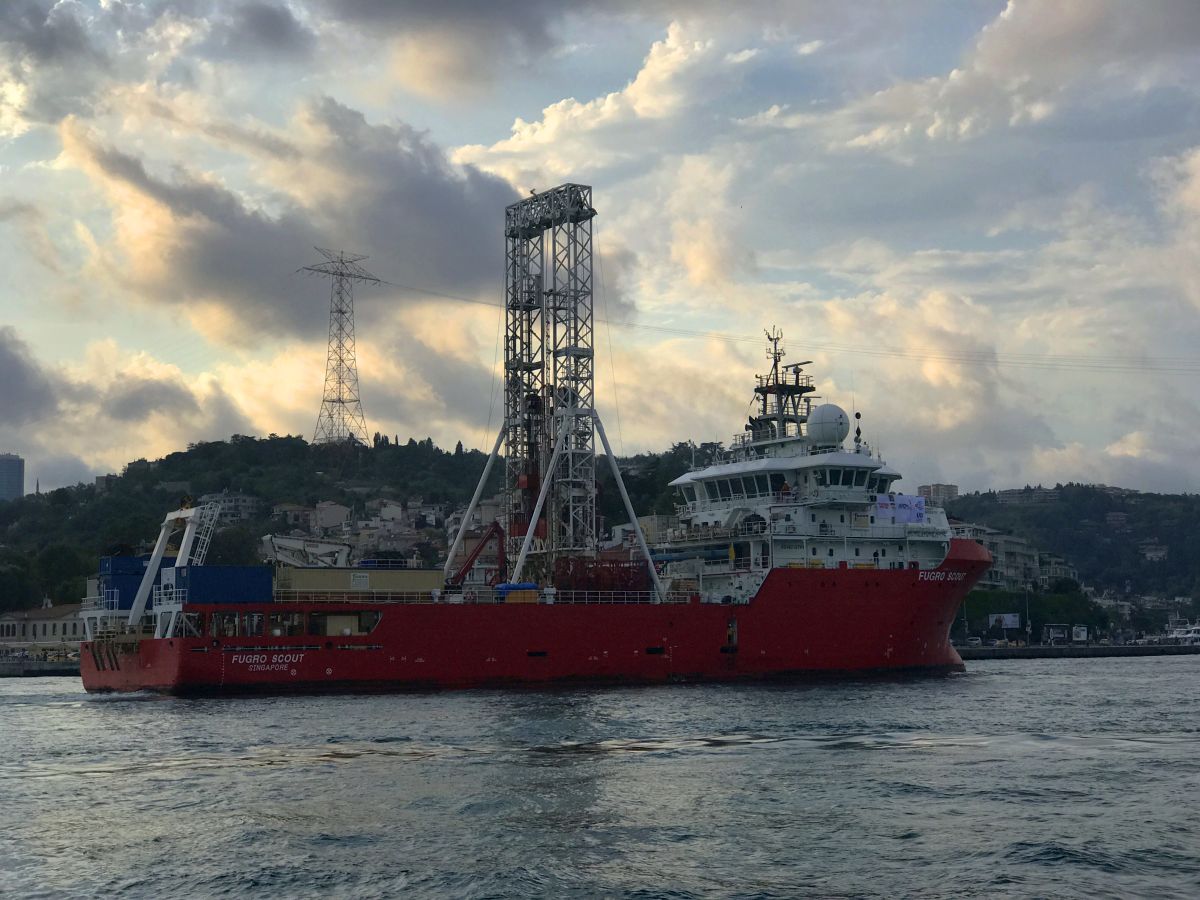
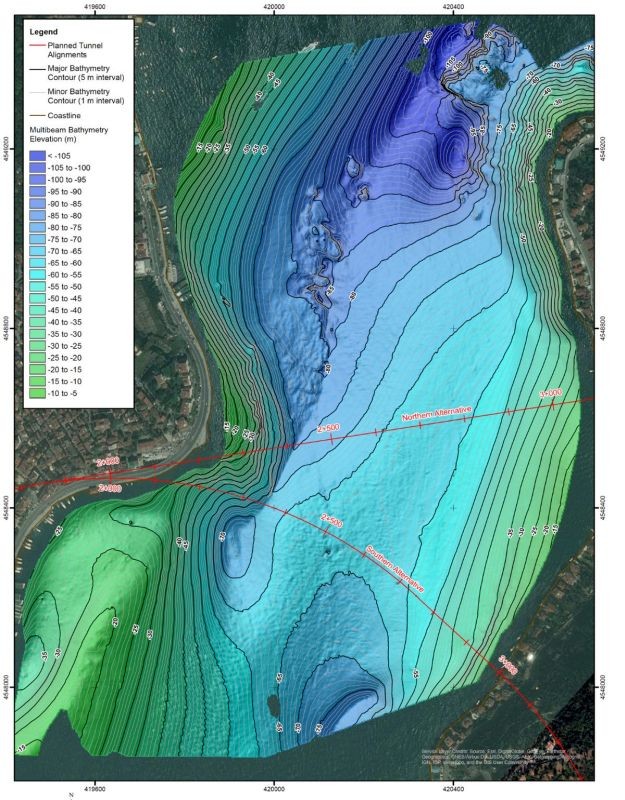
In 2017 studies were commenced to establish the main parameters for the design of the 3 Deck Great Istanbul Tunnel which will be constructed using one of the largest Tunnel Boring Machines (TBM) in the world and is planned to become the deepest underwater tunnel in the world. Terrain scanning and drilling work was undertaken for a period of 2 months, using a drillship which in spite of the adverse conditions of currents in the Istanbul Strait can with the help of its engines stabilise itself at the precise location where the drilling will take place.
Stations
The project scope of the 3 Deck Great Istanbul Tunnel includes the following stations: Incirli, Zeytinburnu, Cevizlibağ, Vatan, Edirnekapı, Haliç, Okmeydanı, Perpa, Çağlayan, Mecidiyeköy, Gayrettepe, Burhaniye, Altunizade, Ünalan and Söğütlüçeşme.
Design Concept for Distinctive Stations
Each station is considered like a museum in itself. The station designs deal with themes that make reference to the historical texture of the location.
The stations are made distinguishable from each other with designs influenced by the style of Ottoman art and their pressious artefacts. The main objective in the design was to keep our cultural heritage alive and create a link between our past and present.
Design Concept for Typical Stations
In typical stations, patterns were used that reflect simplified motives of Anatolia’s rich culture.
Considering that 15% of Istanbul’s population is aged between 15-24, a design language was created that will bring the past and the present together. The layered and finely detailed symbolic language of history was adapted to the plain visual structure of today.
The most distinctive feature of Ottoman art from the early period onwards was that the patterns prepared by the miniature artists in the Ehl-i Hiref organisation were applied by the artists affiliated with the palace to all works from ornamentation to metal work, from tiles to ceramics, from fabric to carpets, thereby creating unity of style and pattern. With this understanding the shared language of pattern was carried to the present day through it’s use in the design of different station areas such as floors, ceilings, walls.
16.8 m
Radius of the Tunnel
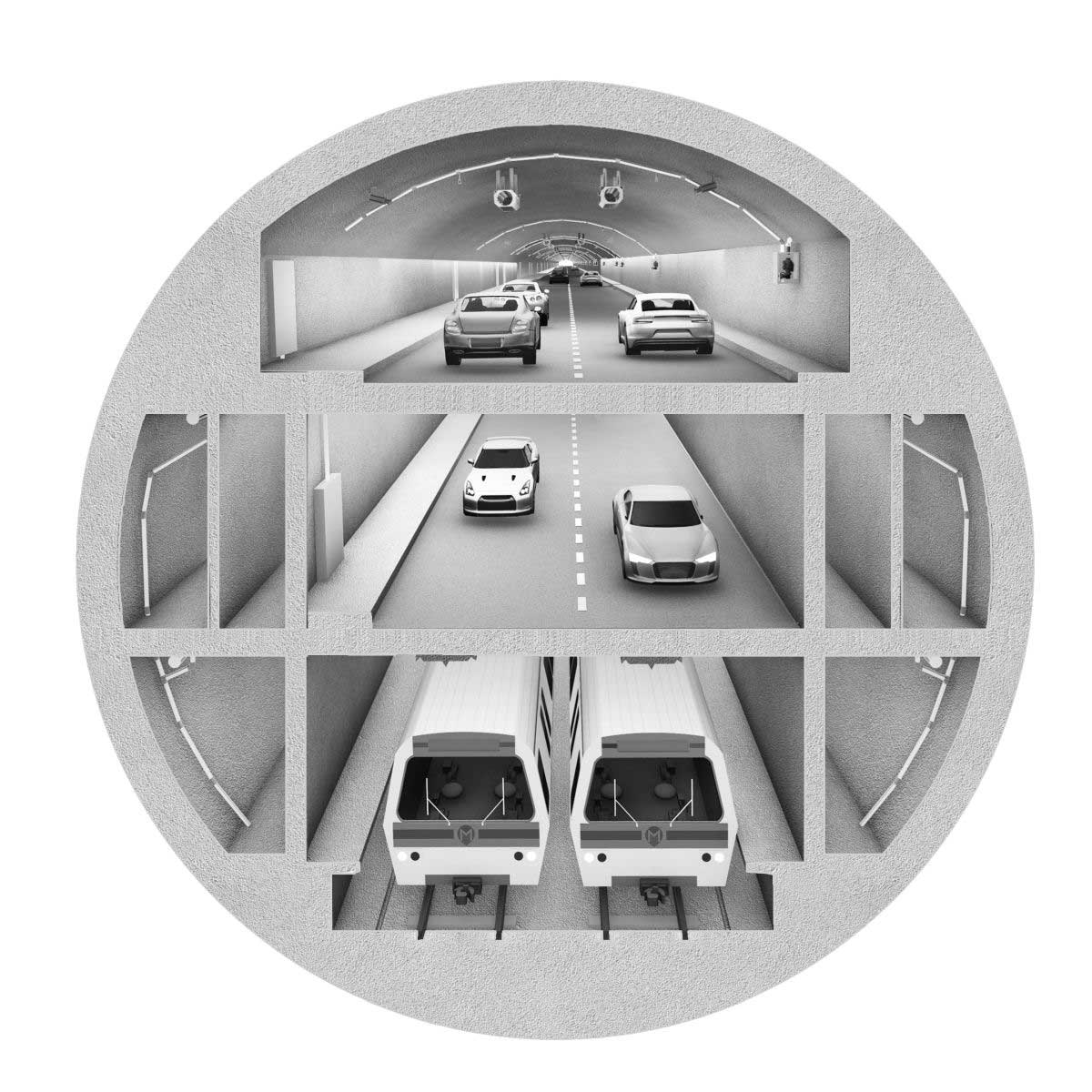
The deepest and first
3-deck tunnel under water in the world
Gayrettepe Station where lines, not the stations will be integrated
It was decided to fully integrate the Gayrettepe – New Airport– Halkalı Rail System line and the Altunizade – Ataşehir – Sabiha Gökçen Airport Metro Line with the 3 Deck Great Istanbul Tunnel Project to allow vehicle passage.
Passengers will not have to disembark at the station in order to cross over to the other station and will be able to complete their journey without getting off the train. Lines, not stations will be integrated.
For this purpose special solutions with 4 platforms were used at Gayrettepe and Altunizade stations.
Through these special solutions the following was achieved:
By using the 3 Deck Tunnel alignment a train departing from the New Airport will be able to travel to Sabiha Gökçen Airport or Söğütlüçeşme without interruption.
Similarly, by using the 3 Deck Tunnel alignment a train that departs from Incirli can travel to Sabiha Gökçen Airport or Söğütlüçeşme without interruption, a train that departs from Sabiha Gokcen Airport and uses the 3 Deck Tunnel alignment will be able to reach the New Airport or Incirli without interrupting the journey, and a train that departs from Söğütlüçeşme will be able to travel to the New Airport or Incirli without interrupting it’s journey.
Electro-mechanical Systems
The CBTC system that will be used in the 3 Deck Great Istanbul Tunnel project will communicate with the train and the centre through continuous and instant data exchange, and will be able to establish the exact location of the train and carry out remote control more accurately and faster than traditional signalling systems. It is designed to be similar to the system in the Uskudar-Umraniye Metro line and will operate entirely without a driver (GOA4).
Passenger Safety and the requirements of a signalling system without driver will be ensured by a system of full height Platform Separation Doors (PAKS) on the station platforms. Apart from ensuring the safety of the passenges, this system also protects the platform against noise and dirt and provides high level of comfort for passengers waiting on the platform.