Overview
Project Summary
28,5 km
18 stations
Services
Location
Period
Employer/Client
Tags
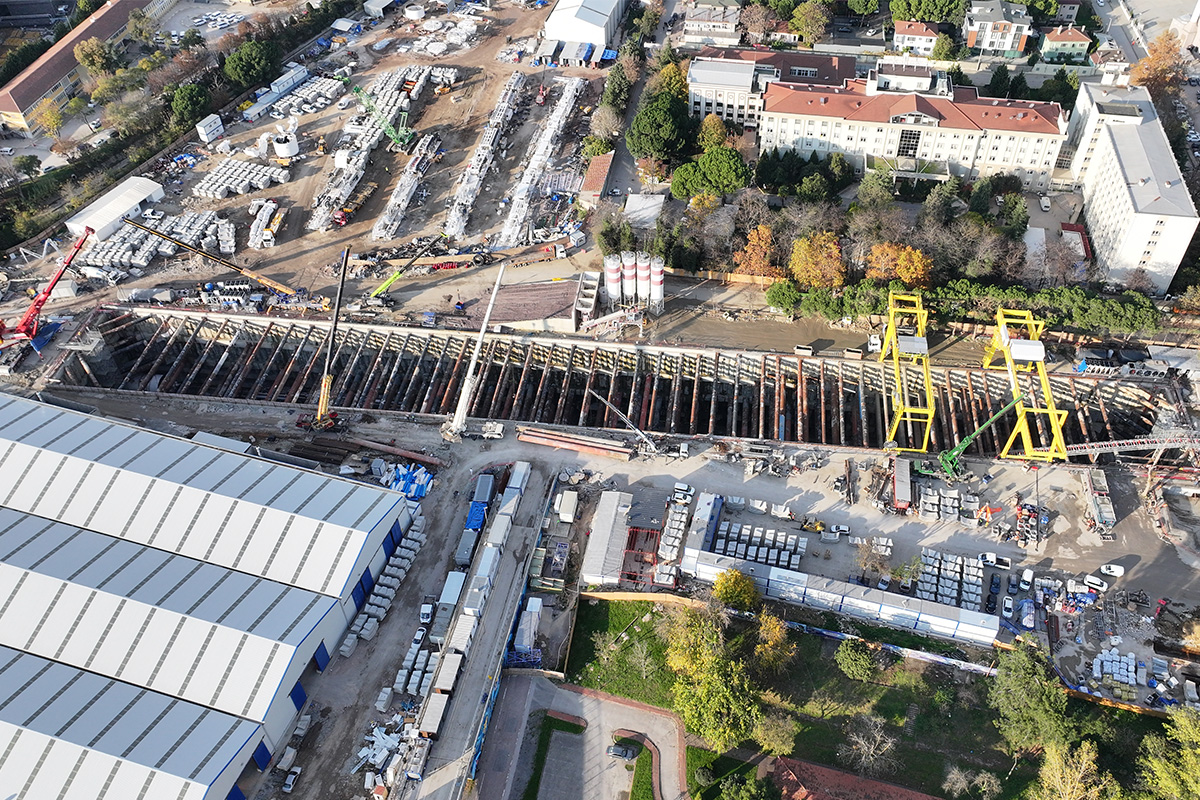
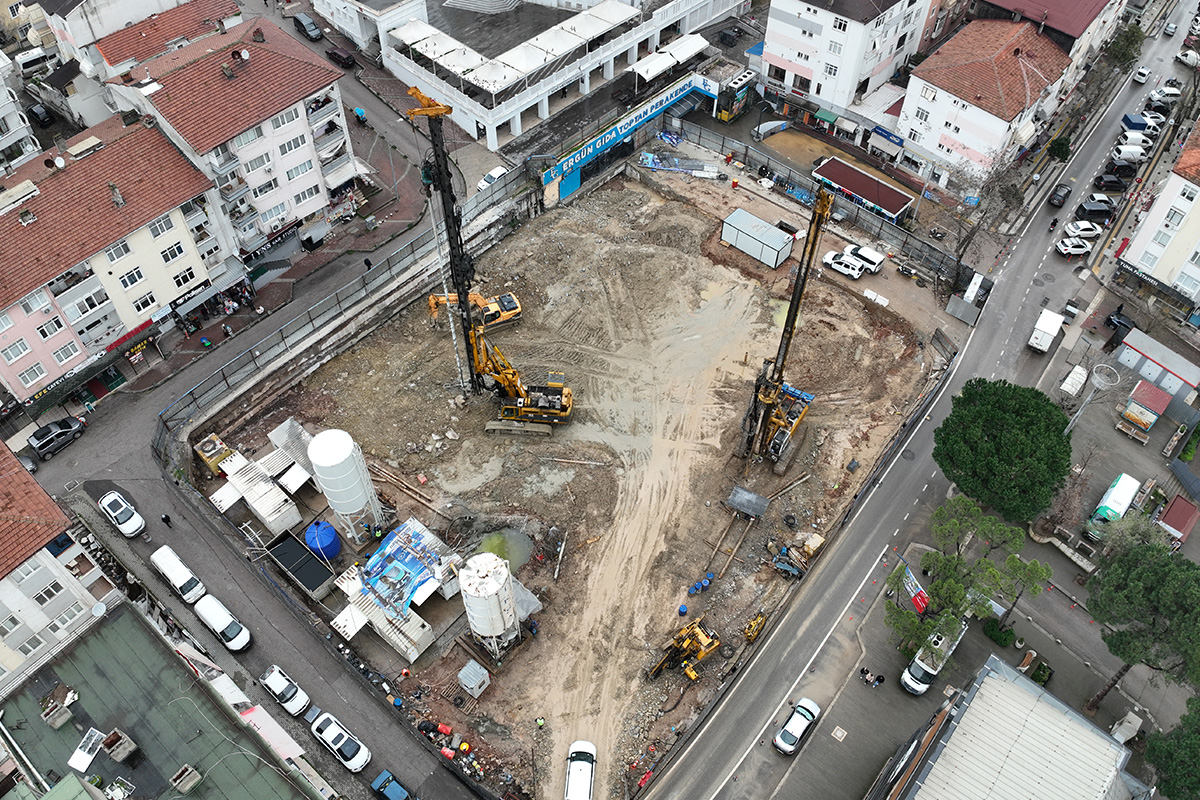
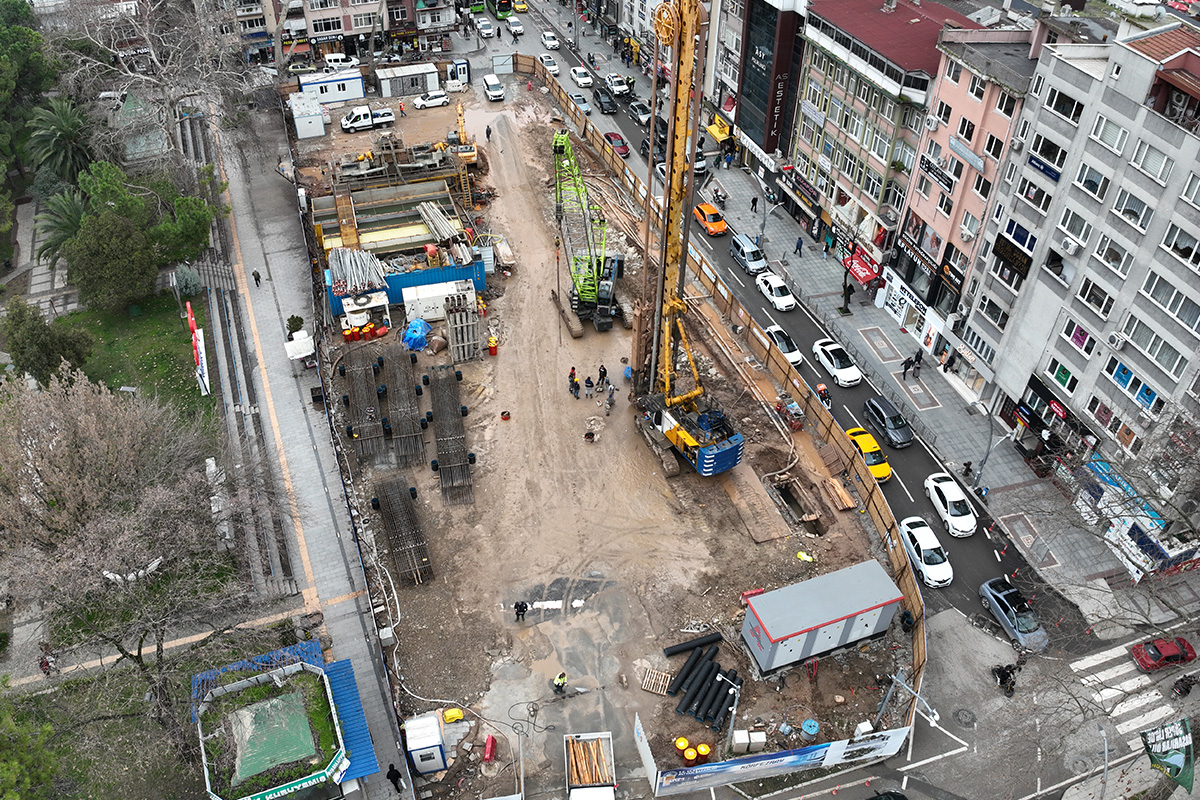
The 28.5 km-long first phase of the Kocaeli North Light Rail System Line will consist of 18 stations. Extending from Körfez to Kartepe, the line will provide comfortable access to high-demand areas such as the City Hospital, the Intercity Bus Terminal, and Seka Park. With the second phase reaching the Fair Center and Cengiz Topel Airport, Körfezray will bring a new momentum to Kocaeli’s urban transportation network.
Through this project, the transportation capacity of Kocaeli—Türkiye’s industrial and commercial locomotive—will be significantly enhanced. Airport accessibility will be strengthened, and a sustainable, fast, and safe public transportation infrastructure will be established. As a result, travel comfort will improve while traffic congestion and carbon emissions will be reduced.
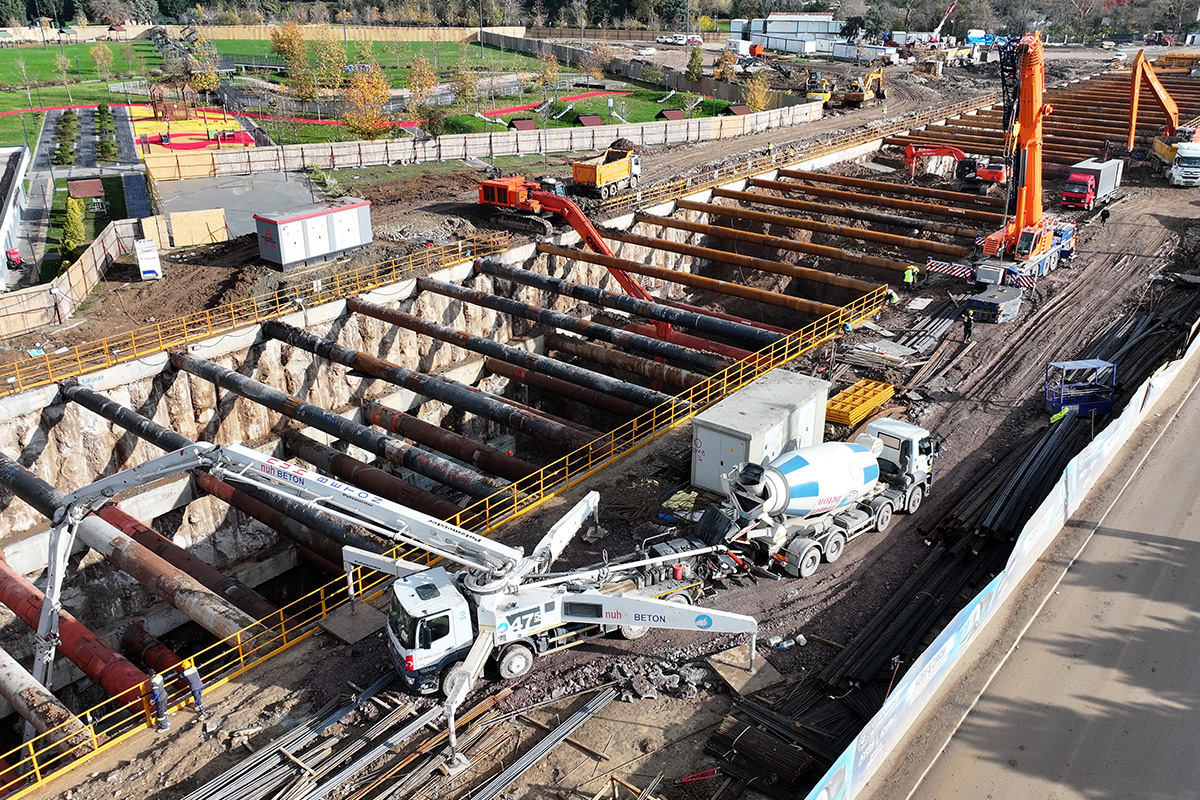
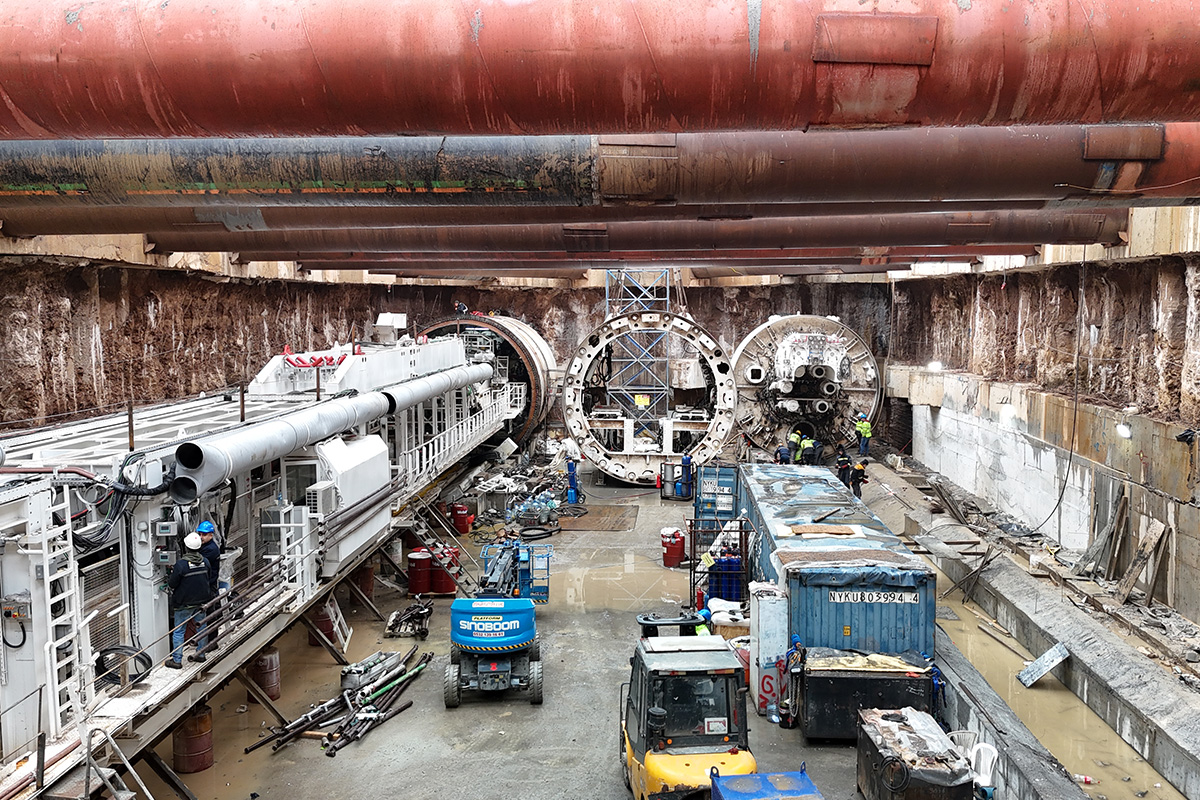
The main line is being constructed using TBM tunneling, while depot connection lines are built with the NATM method. BIM and GIS technologies have been implemented during both the design and construction phases, supported by R&D-driven optimization studies. The project prioritizes sustainable mobility and the minimization of environmental impact.
The 28.5 km-long first phase of the Kocaeli North Light Rail System Line will consist of 18 stations. Extending from Körfez to Kartepe, the line will provide comfortable access to high-demand areas such as the City Hospital, the Intercity Bus Terminal, and Seka Park. With the second phase reaching the Fair Center and Cengiz Topel Airport, Körfezray will bring a new momentum to Kocaeli’s urban transportation network.
Through this project, the transportation capacity of Kocaeli—Türkiye’s industrial and commercial locomotive—will be significantly enhanced. Airport accessibility will be strengthened, and a sustainable, fast, and safe public transportation infrastructure will be established. As a result, travel comfort will improve while traffic congestion and carbon emissions will be reduced.
The main line is being constructed using TBM tunneling, while depot connection lines are built with the NATM method. BIM and GIS technologies have been implemented during both the design and construction phases, supported by R&D-driven optimization studies. The project prioritizes sustainable mobility and the minimization of environmental impact.