Rail Baltica: The largest infrastructure project in the Baltic States
Overview
Project Summary
213 km Estonian section
261 km Latvian section
168 km Lithuanian section
Services
Location
Period
Employer/Client
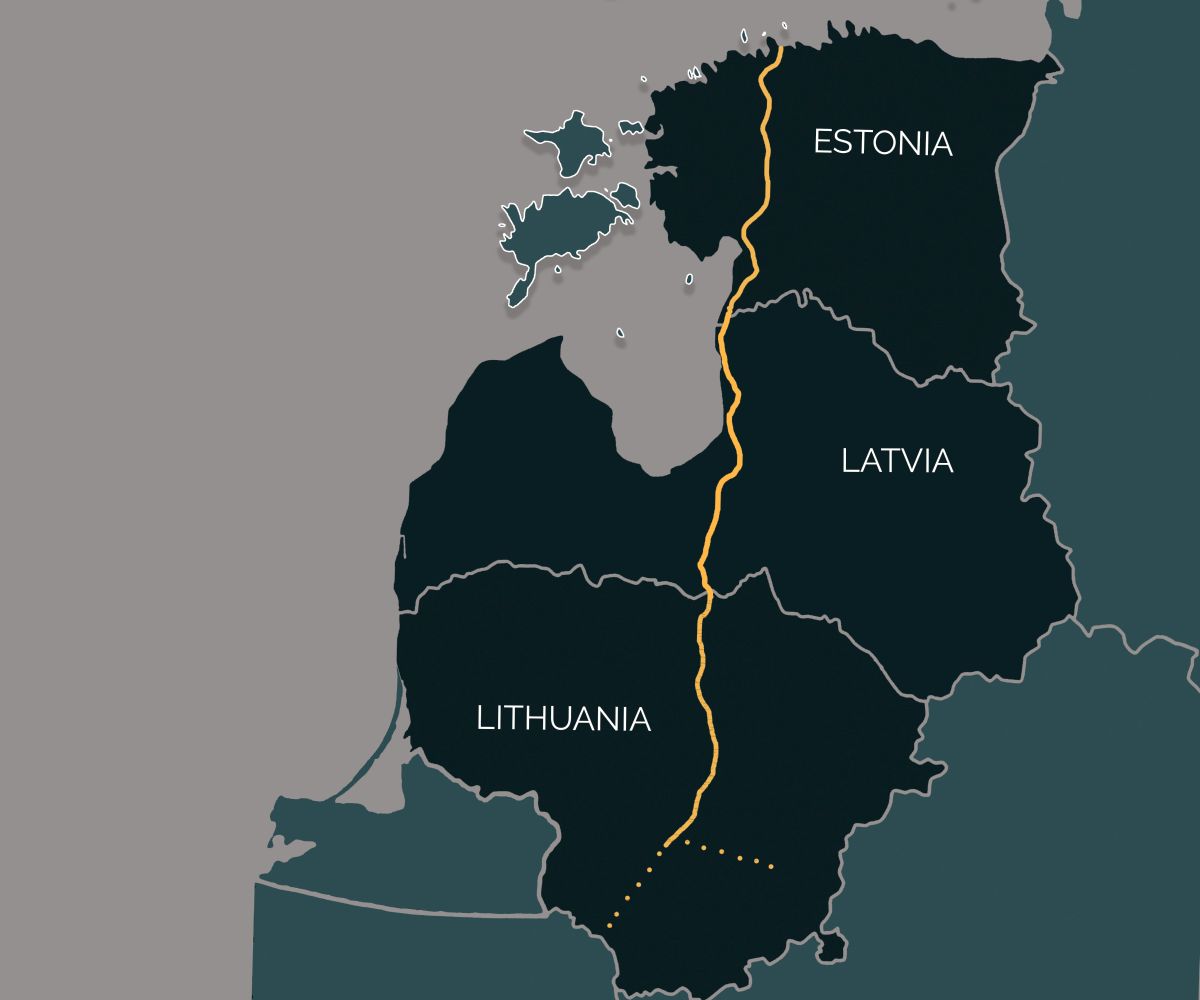
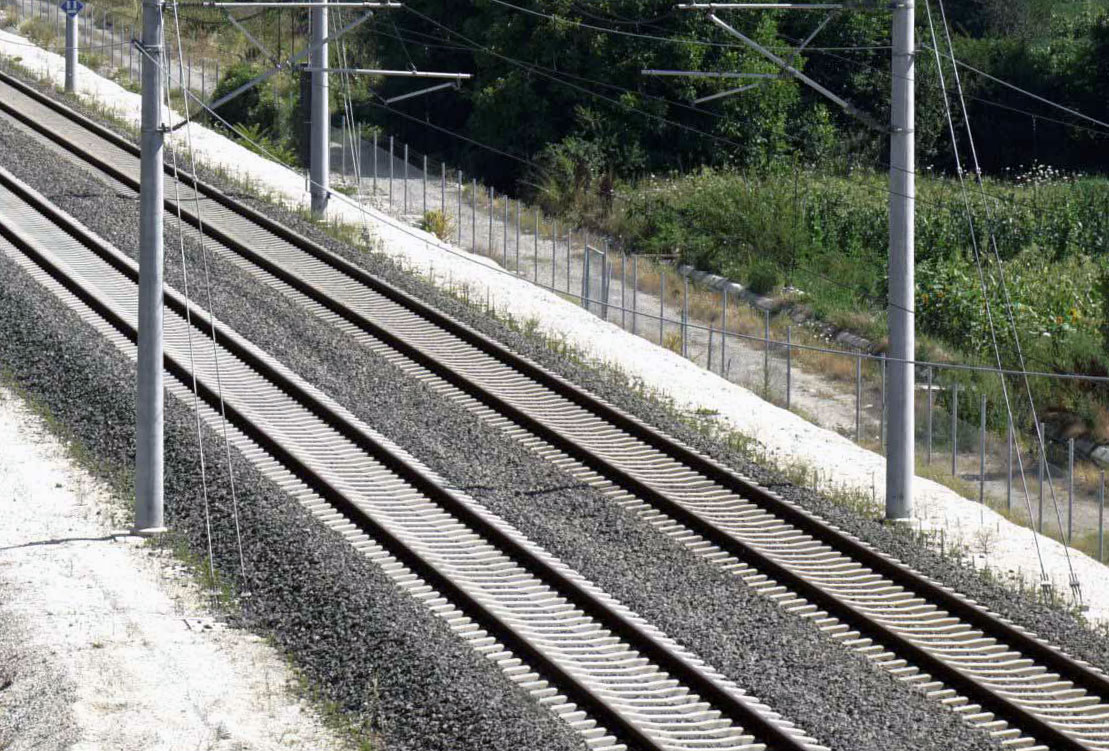
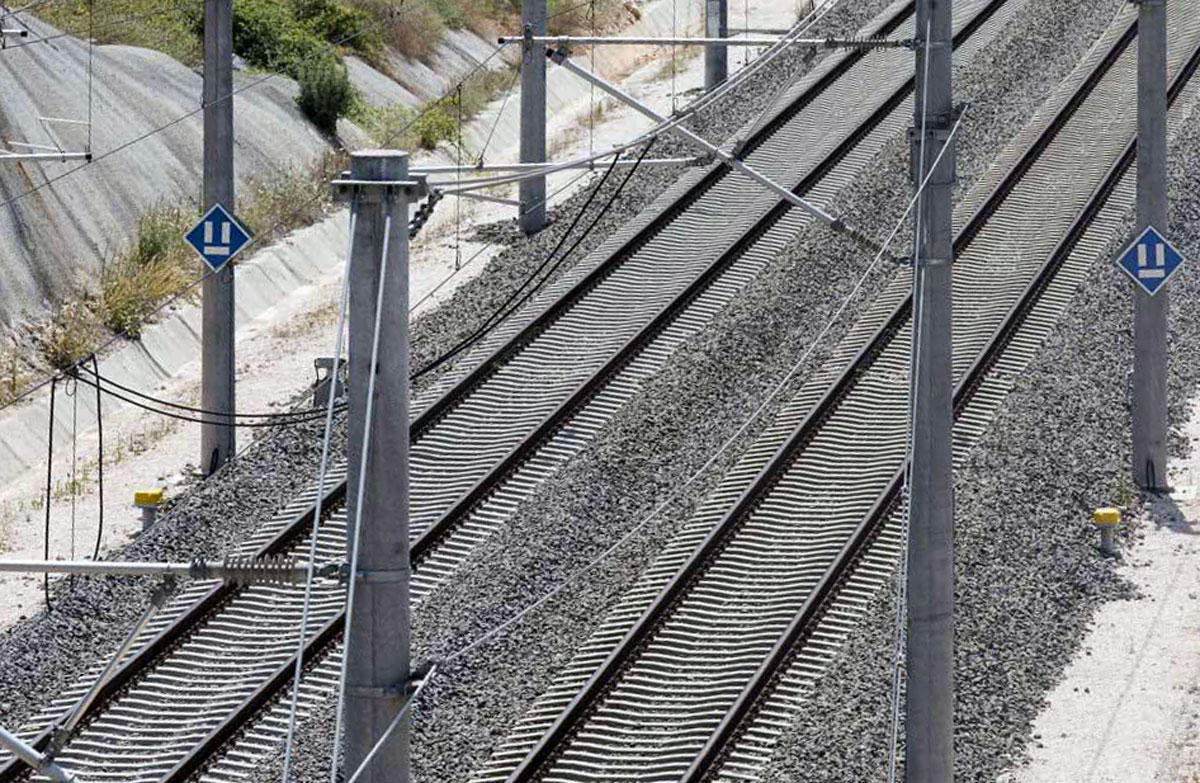
A double track, standard gauge railway project aiming to integrate the Baltic States (Lithuania, Latvia, Estonia) in the European rail network. Total length is 642 km and the design speed is 250km/h.
Design Review and Design Expertise Services for RB Railway Project in Lithuania and Estonia will be provided by 3TI Progetti and Yuksel Proje joint venture.
In the 213 km long Estonian section of the project there are 52 railway bridges, 24 ecological bridges, 42 road crossings, 284 culverts and other outdoor structures.
In the 168 km long Lithuanian section there are 38 railway bridges, 7 ecological bridges, 22 road crossings, 156 culverts and other outdoor structures.
In the Latvian section there are 261 km long railways, 75 railway bridges/overpasses, 1 railway tunnel, 10 animal crossings, 78 road crossings, 5 pedestrian crossings and other structures.
The existing rail system in Baltic States is incompatible with mainland European standards, which causes the need of fully integration of this system into the wider European rail transport system.
A double track, standard gauge railway project aiming to integrate the Baltic States (Lithuania, Latvia, Estonia) in the European rail network. Total length is 642 km and the design speed is 250km/h.
Design Review and Design Expertise Services for RB Railway Project in Lithuania and Estonia will be provided by 3TI Progetti and Yuksel Proje joint venture.
In the 213 km long Estonian section of the project there are 52 railway bridges, 24 ecological bridges, 42 road crossings, 284 culverts and other outdoor structures.
In the 168 km long Lithuanian section there are 38 railway bridges, 7 ecological bridges, 22 road crossings, 156 culverts and other outdoor structures.
In the Latvian section there are 261 km long railways, 75 railway bridges/overpasses, 1 railway tunnel, 10 animal crossings, 78 road crossings, 5 pedestrian crossings and other structures.
The existing rail system in Baltic States is incompatible with mainland European standards, which causes the need of fully integration of this system into the wider European rail transport system.